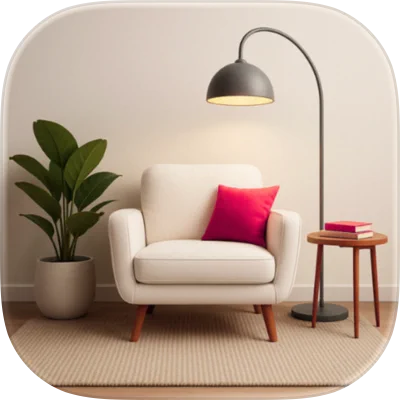
Japandi Interior Design
Wabi-sabi meets hygge. Perfectly quiet.
Japandi is the design world's most refined fusion — a marriage between Japanese wabi-sabi (the beauty of imperfection and transience) and Scandinavian hygge (coziness and contentment with simplicity). The result is a room that is minimal without being cold, functional without being sterile, and natural without being rustic. Dark wood tones contrast with warm neutral walls. Every object is chosen for both beauty and purpose.
Free to try · No credit card · 3 free designs
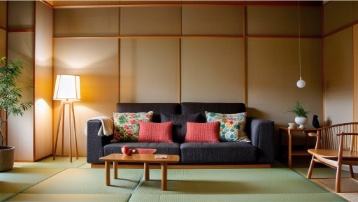
What defines Japandi design?
- Dark, warm wood tones — walnut, oak, black-stained
- Neutral warm palette — earthy beige, warm grey, charcoal
- Low, ground-level furniture — low beds, floor cushions
- Functional ceramics and handcrafted objects
- Organic textures — linen, bamboo, stone, clay
- Wabi-sabi imperfection — visible grain, natural marks
- Deep negative space — rooms that breathe
Color palette
Works best in
See your room in Japandi style — free
Upload a photo. Select Japandi. Get 4 AI-generated redesigns in under 10 seconds. No design skills needed.
Try It Free →3 free designs every month · No credit card
Japandi design — common questions
What is Japandi interior design?
Japandi blends Japanese minimalism (including wabi-sabi — appreciation of imperfection) with Scandinavian warmth and functionality (hygge). It uses darker, earthier tones than Scandinavian design and is even more restrained with accessories.
How is Japandi different from minimalism?
Japandi includes warmth, texture, and a philosophical dimension that pure minimalism lacks. Wabi-sabi celebrates the natural imperfection in materials — the crack in a ceramic bowl, the grain pattern in a wood slab. It's minimalism with soul.
What wood tones work in Japandi design?
Darker than Scandinavian design: walnut, dark oak, black-stained wood, and bamboo. The contrast between dark wood and warm light walls is a defining characteristic of the style.
What accessories belong in a Japandi room?
Handcrafted ceramics, a single well-chosen plant (bonsai, bamboo, or snake plant), linen cushions and throws, and simple natural fiber rugs. Avoid anything mass-produced-looking or overly decorative.