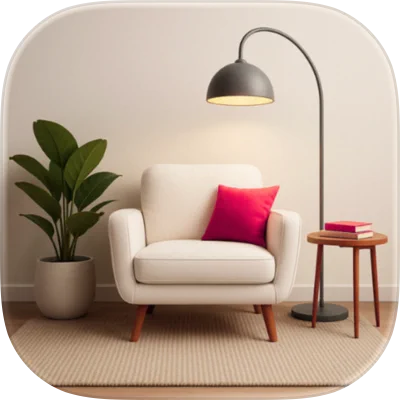
Mid-Century Modern Interior Design
Timeless, sculpted, and unmistakably designed.
Mid-century modern interior design emerged from the post-WWII optimism of 1945–1969, when designers believed technology and good design could improve everyday life. The result is furniture that feels both functional and sculptural — tapered legs, organic curves, warm walnut veneers, and a palette of amber, mustard, olive, and teal that feels simultaneously retro and timeless.
Free to try · No credit card · 3 free designs
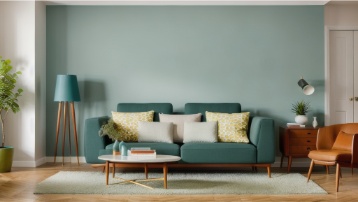
What defines Mid-Century Modern design?
- Warm walnut wood — furniture, shelving, accents
- Tapered wood legs on sofas, chairs, tables
- Organic curved forms and sculptural silhouettes
- Amber, mustard, olive, and teal accent colors
- Geometric patterns — on rugs, cushions, wallpaper
- Eames-era classic chairs and sunburst accents
- Open-plan layouts with defined conversation areas
Color palette
Works best in
See your room in Mid-Century Modern style — free
Upload a photo. Select Mid-Century Modern. Get 4 AI-generated redesigns in under 10 seconds. No design skills needed.
Try It Free →3 free designs every month · No credit card
Mid-Century Modern design — common questions
What colors define mid-century modern design?
Warm walnut tones are the material base. Accent colors are period-specific: mustard yellow, olive green, burnt orange, turquoise, and avocado. These are used on upholstery, rugs, and accent walls — deliberately mixed but never all at once.
What are the signature furniture pieces of mid-century modern?
The Eames Lounge Chair, the Tulip Table, the Noguchi coffee table, the Barcelona Chair. These originals are investment pieces. Excellent reproductions are widely available at much lower prices.
Can I mix mid-century modern with other styles?
Mid-century mixes beautifully with boho (the warm palette overlaps), Scandinavian (shared love of natural wood and function), and even industrial. The danger is mixing with styles that feel too contemporary or cold — the era-specific silhouettes can clash.
What flooring works with mid-century modern?
Warm hardwood — light to medium honey tones complement walnut furniture without competing. Large-format geometric tile works in kitchens and bathrooms. Avoid dark espresso floors, which can feel heavy against the warm palette.