Contemporary Interior Design
Current, considered, and always evolving.
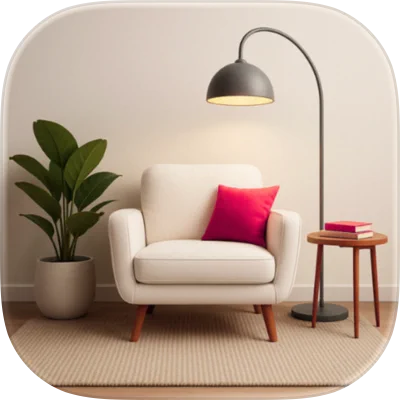
Contemporary interior design refers to what is current right now — not a fixed historical period like Modern (which specifically means mid-20th century). It draws from the leading edge of design at any given moment. In 2025, that means: warm neutrals replacing cool grays, curved and organic furniture silhouettes, natural material textures, statement lighting as sculpture, and a single bold accent colour in an otherwise restrained palette.
Free to try · No credit card · 3 free designs
What defines Contemporary design?
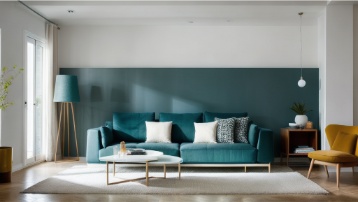
- Clean lines without the austerity of minimalism
- Warm neutral base — greige, warm white, taupe
- One bold accent colour in upholstery or a single wall
- Curved and organic furniture silhouettes
- Statement pendant or sculptural floor lighting
- Layered textures — linen, velvet, stone, natural timber
- Large-format art as a focal point
- Integrated storage — concealed and seamless
Color palette
Works best in
See your room in Contemporary style — free
Upload a photo. Select Contemporary. Get 4 AI-generated redesigns in under 10 seconds. No design skills needed.
Try It Free →3 free designs every month · No credit card
Contemporary design — common questions
What is the difference between contemporary and modern interior design?
'Modern' in interior design refers specifically to the mid-20th century aesthetic (1940s–1970s) — think Eames chairs and walnut credenzas. 'Contemporary' means current, whatever is trending now. The two are often confused but describe very different things. A contemporary room in 2025 draws from current trends; a modern room draws from a specific historical period.
What colours are used in contemporary interior design in 2025?
Warm greige and taupe have replaced cool grey as the neutral base. Accent colours lean earth-warm: terracotta, sage green, deep olive, and warm rust. Bold jewel tones appear as single accent elements — an emerald velvet cushion, a deep sapphire artwork — rather than dominant palette colours.
How do I keep a contemporary room from feeling cold?
Layer texture. The clean lines of contemporary design can read as cold when the materials are all smooth or reflective. Add a chunky wool throw, a natural fibre rug, linen cushions, and warm-toned timber furniture. The architecture stays clean; the materials bring warmth.
Does contemporary design date quickly?
More quickly than timeless styles like Scandinavian or traditional. This is by nature — contemporary tracks current trends. The solution is building around a neutral architectural base (walls, floors, fixed elements) and using contemporary trends in soft furnishings and accessories, which can be replaced affordably as tastes shift.