Victorian Interior Design
Ornate, dramatic, and unapologetically rich.
Victorian interior design draws from the long reign of Queen Victoria (1837–1901), a period defined by industrialisation, empire, and a fierce rejection of simplicity. The style is unapologetically maximalist: elaborate wood mouldings, rich jewel-tone upholstery, fireplaces as focal points, and every surface given texture, pattern, or ornament. Despite its reputation for heaviness, done well, Victorian interiors are warm and deeply atmospheric.
Free to try · No credit card · 3 free designs
What defines Victorian design?
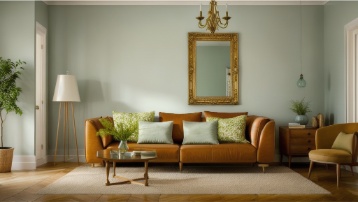
- Dark hardwood floors — mahogany, walnut, or ebonised wood
- Tufted Chesterfield sofas in velvet or leather
- Ornate crown moulding, ceiling roses, and dado rails
- Fireplace as the centrepiece of every principal room
- Patterned wallpaper — floral, damask, stripe, or toile
- Heavy drapes in velvet or brocade, floor to ceiling
- Brass, bronze, and gold hardware on all fixtures
- Curio cabinets and bookshelves filled with collected objects
Color palette
Works best in
See your room in Victorian style — free
Upload a photo. Select Victorian. Get 4 AI-generated redesigns in under 10 seconds. No design skills needed.
Try It Free →3 free designs every month · No credit card
Victorian design — common questions
What colours define Victorian interior design?
Victorian rooms use deep, saturated jewel tones: burgundy, bottle green, navy, plum, and rich gold. These are typically used on walls, upholstery, and drapes. Trim and ceilings are often lighter — cream or warm white — to prevent the palette from becoming oppressive. The effect is rich rather than dark.
Can Victorian design work in a modern home?
Yes, and the results are often striking. The key is selective application: a Chesterfield sofa in an otherwise minimal room, ornate crown moulding in a neutral space, or a single jewel-tone accent wall. Full Victorian immersion requires the architectural envelope to support it — high ceilings, original mouldings, period fireplaces.
What defines Victorian furniture?
Heavily carved dark wood, cabriole legs, tufted upholstery, and generous proportions. Signature pieces include the Chesterfield sofa, the fainting couch (chaise longue), the button-back armchair, and the large pedestal dining table. Furniture was meant to project stability and prosperity.
How is Victorian different from traditional interior design?
Traditional design is a broad category encompassing multiple eras; Victorian is a specific period within it. Victorian rooms tend to be more maximalist, darker, and more pattern-heavy than general 'traditional' interiors, which often draw on Georgian or Colonial references that are lighter and more restrained.