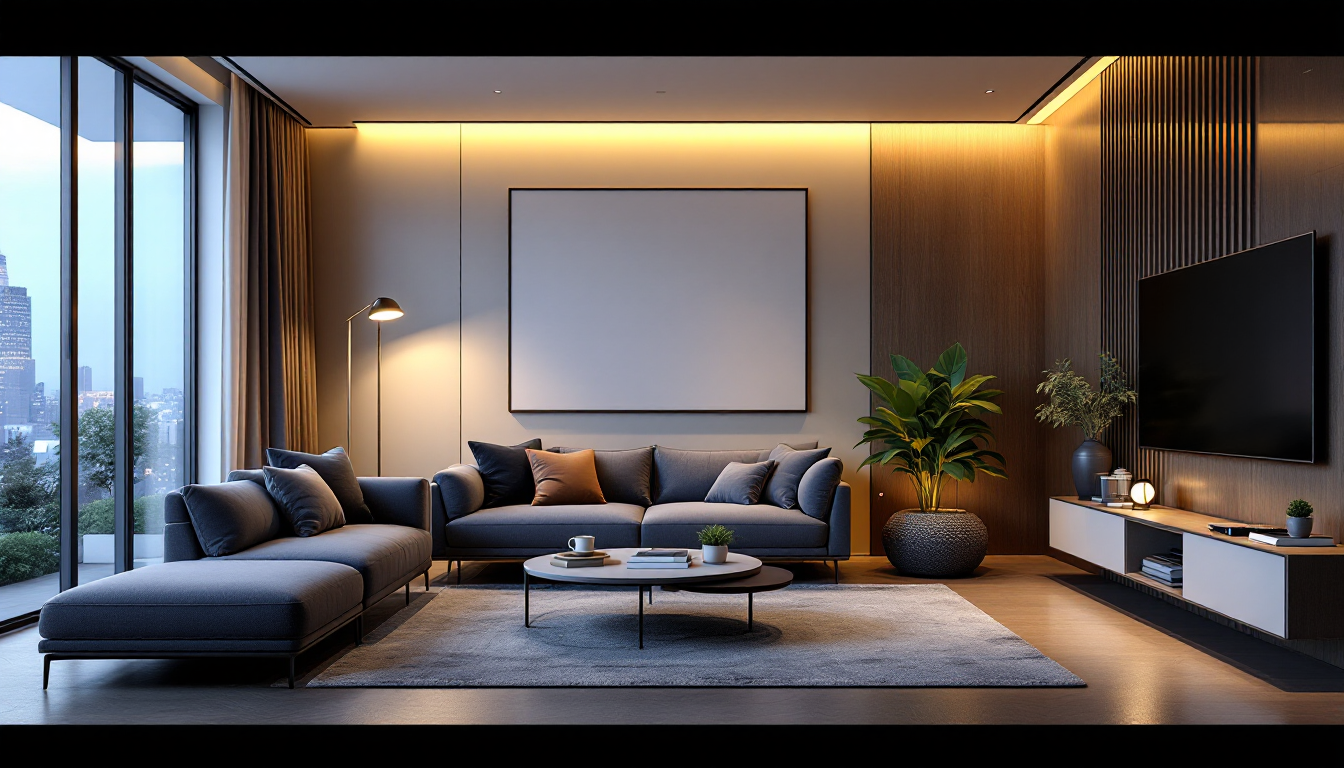
Why Choose AI for Interior Design?
In the contemporary landscape of technology, Artificial Intelligence (AI) has become a crucial player in revolutionizing the field of interior design. By leveraging AI, designers and homeowners can experiment with a variety of decor styles and spatial arrangements with ease, saving both time and resources. With its ability to generate realistic room layouts and suggest color palettes based on trends, AI serves as a valuable tool for anyone looking to enhance their interior space.
Top AI Tools for Interior Design
In this buyer’s guide, we'll compare several leading AI tools designed specifically for interior design. We'll look into their features, usability, pricing, and which types of users they best serve.
1. AI Room Decor
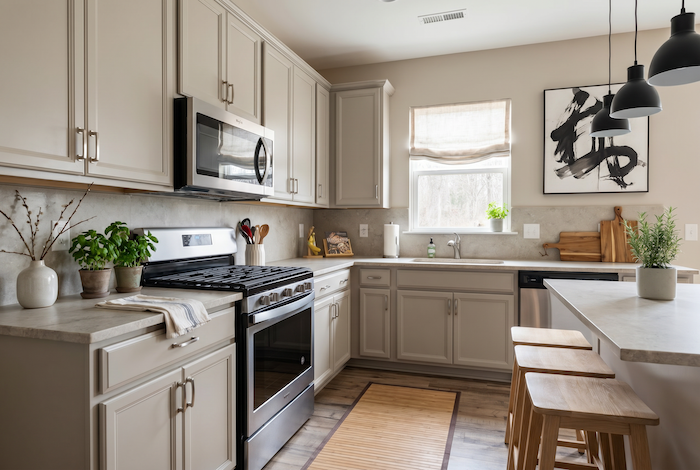
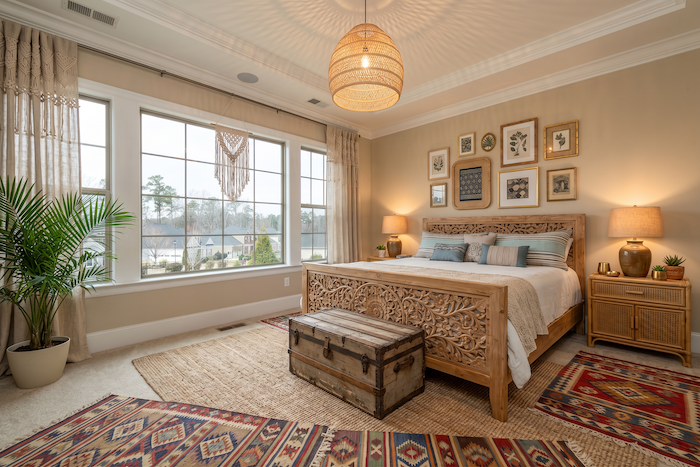
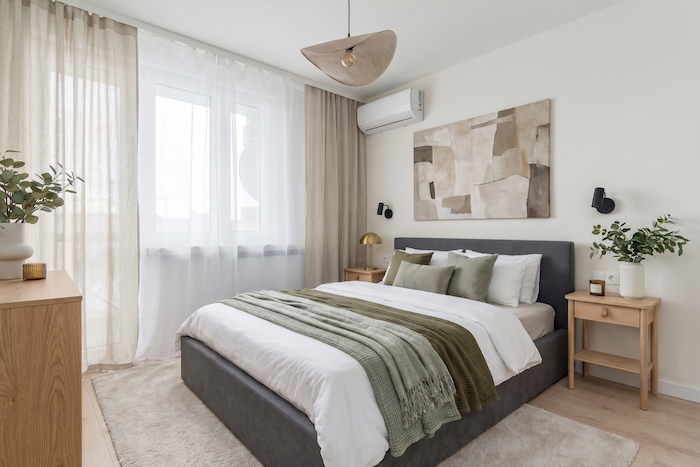
AI Room Decor is emerging as a leader in the realm of AI interior design. It provides users with a platform to visualize furnished spaces by generating photorealistic images. Ideal for both professional designers and DIY enthusiasts, it offers easy-to-use tools to pick furniture, arrange them, and even view different decor themes.
- Features: Furniture arrangement, color palette suggestions, 3D visualization
- Usability: Intuitive interface suitable for beginners and professionals
- Pricing: Offers a freemium model; premium features available at a subscription rate
Explore how to start designing with AI Room Decor at AI Room Decor.
2. Canva
Known widely for its graphic design capabilities, Canva has expanded into interior design with AI-enabled features. It offers templates for various rooms and gives users the ability to customize designs extensively.
- Features: Template-based design, drag-and-drop interface, multiple room styles
- Usability: User-friendly, especially for those familiar with Canva’s design interface
- Pricing: Free basic access; pro accounts provide more templates and collaboration tools
3. RoomGPT
If you're looking for a tool specifically focused on generating different room layouts and furnishing suggestions, RoomGPT might be your go-to option. This tool excels in space optimization by offering layouts that maximize both functionality and aesthetic appeal.
- Features: Space planning, furniture placements, interactive room previews
- Usability: Designed for architects and experienced users due to its detailed layout functionalities
- Pricing: Monthly subscription with various tiers based on features
Read more about using RoomGPT to commence your design journey.
4. Planner 5D
Known for its user-friendliness, Planner 5D enables people to craft detailed 2D and 3D interior plans. It includes AI capabilities that allow for photo-realistic rendering and comprehensive furnishing catalogs.
- Features: 2D/3D design mode, augmented reality views, comprehensive catalog
- Usability: Suitable for casual users and amateur designers
- Pricing: Free version is available; premium plan for advanced features
Comparing the Best AI Solutions
When choosing the best AI tool for interior design, consider the inherent features you need: Do you require spatial planning, or is visual rendering more important? Cost also becomes a deciding factor, so think about whether a one-time investment or a subscription model suits your budget better.
For those who are just getting started, tools like AI Room Decor and Canva provide an excellent starting point with their straightforward platforms and available free versions. If your focus is on professional-grade outputs and detailed space planning, you might find RoomGPT or Planner 5D more aligned with your needs.
Want to learn more about harnessing AI's potential in home decoration? Check our beginner’s guide to AI interior design.
Conclusion
AI is reshaping the way we approach interior design by making it more accessible and intuitive than ever before. By evaluating your specific needs and how different tools align with them, you can make a well-informed decision on which AI tool will help transform your space effectively.