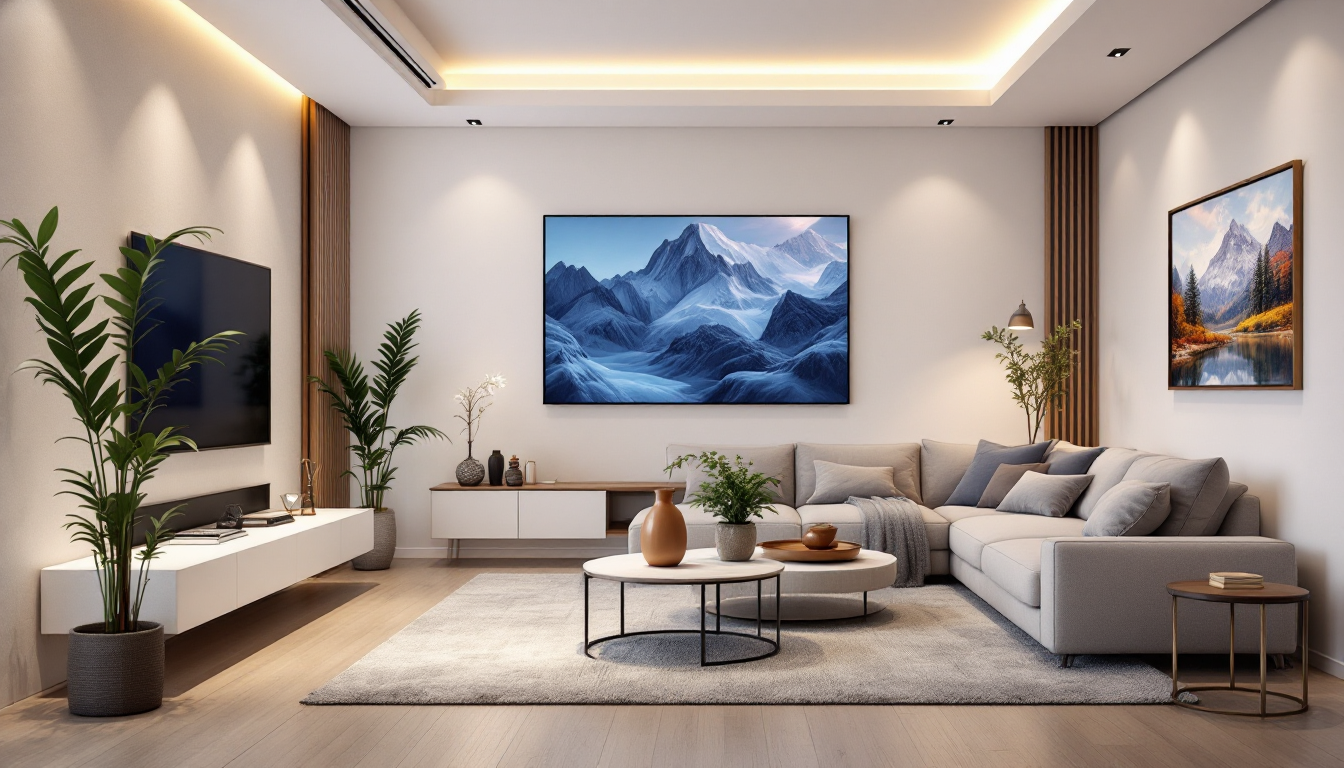
Understanding AI in Interior Design
The advent of artificial intelligence (AI) has significantly impacted various industries, and interior design is no exception. With its ability to process massive amounts of data and learn from patterns, AI is transforming the way designers plan and execute their projects. For beginners stepping into the world of interior design, understanding AI tools can be both exciting and overwhelming.
What Are AI Interior Design Tools?
AI interior design tools use machine learning algorithms to assist designers in creating aesthetically pleasing and functional spaces. These tools can generate design layouts, recommend color schemes, and even suggest furniture arrangements based on user preferences and spatial dimensions. By leveraging AI, both professionals and novices can enhance their design prowess and save time and effort.
Why Use AI in Interior Design?
One of the most significant advantages of using AI in interior design is its ability to personalize designs at scale. AI tools can quickly analyze a user's preferences and tailor recommendations accordingly. Whether you're a seasoned designer looking for efficiency or a homeowner eager to spruce up your living space, AI tools offer several benefits.
- Efficiency: AI tools can significantly reduce the time spent on creating design plans and revisions.
- Cost-Effective: By using AI tools, designers can cut down on trial and error, saving on both resources and budget.
- Accessibility: Newcomers without formal training can easily access design tools and create professional-grade layouts.
How to Get Started with AI Interior Design
If you're new to using AI in interior design, knowing where to start can make all the difference. Here are some easy steps to dive into the world of AI-powered design:
Step 1: Define Your Style and Needs
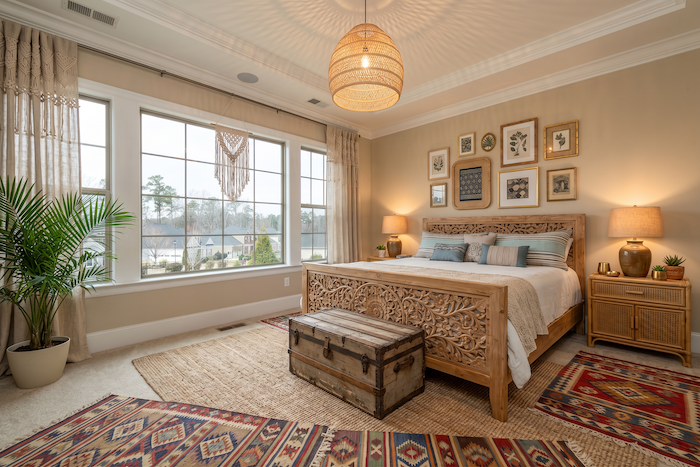
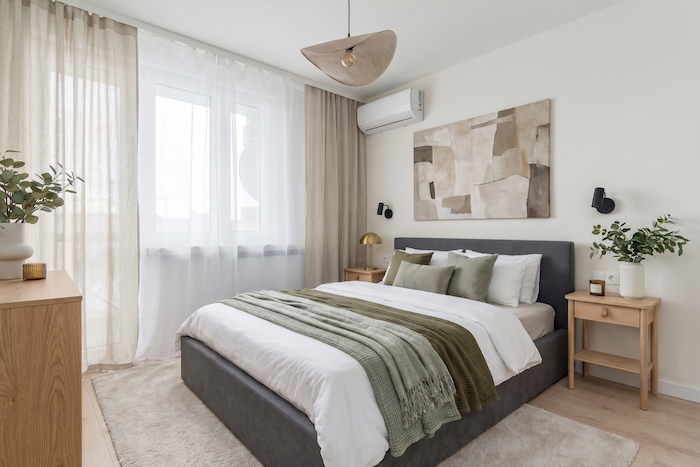
Before diving into design, it is crucial to understand your preferences. Are you attracted to minimalistic designs or more inclined towards a bohemian aesthetic? Visiting sites like AI Room Decor can help you explore different styles and find what resonates with your taste.
Step 2: Select the Right AI Tools
Not all AI tools are created equal. Selecting the right tool depends on your needs and skill level. For beginners, tools designed to be user-friendly are advisable. You can explore our Beginner's Guide to AI Interior Design Tools to learn more about entry-level options.
Step 3: Experiment and Learn
After selecting a tool, experiment with its various functions. Many tools offer tutorial modes or community support to help new users. For instance, by following a guide like Exploring Interior Design Styles, you can get tips on combining different styles effectively.
Step 4: Implement Your Design
Once you've created a draft that you’re satisfied with, start implementing your design. Use the recommendations from AI tools alongside your personal touch to customize the space truly.
Future of AI in Interior Design
As AI technology continues to evolve, we can anticipate even more sophisticated tools with advanced capabilities, such as virtual reality integrations and real-time simulations. These innovations promise to make the design process even more immersive and interconnected.
With AI in the mix, interior design is not just about aesthetics anymore. It's about crafting experiences that adapt to user needs and lifestyle. As highlighted in the Practical Guide to the Best Interior Design AI Tools, smart design can be a game-changer in creating spaces that are both functional and beautiful.
Embracing AI in interior design opens new avenues for creativity and innovation, making it a promising field for both existing professionals and aspiring designers. Whether starting small with your own living room or planning larger commercial spaces, AI's role in shaping our environments is only set to grow stronger.