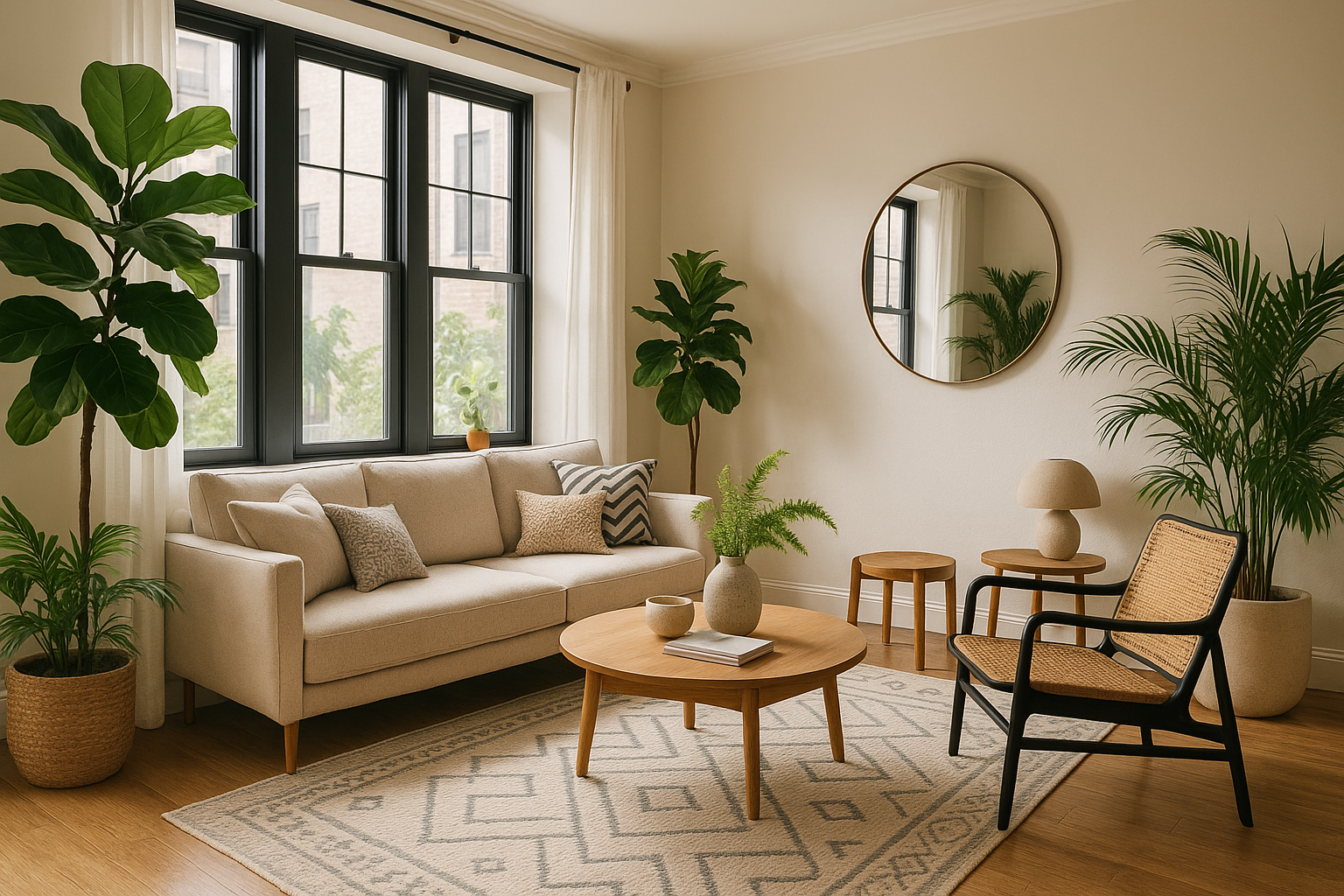
Introduction to Interior Design
Interior design is the art and science of enhancing the interior of a building to achieve a healthier and more aesthetically pleasing environment for the people using the space. Whether you're moving into a new home or looking to freshen up an existing space, understanding the basics of interior design can help you create a harmonious and beautiful environment.
What is Interior Design?
At its core, interior design involves a blend of creativity and technical solutions. These solutions are applied to achieve an interior environment that is functional, enhances the quality of life, and is culture-reflective of the occupants. There are several principles and elements of design that professionals consider to create successful interiors.
The Elements of Interior Design
- Space: Understanding space is fundamental to design. Consider both 2D space, which includes the length and width of a room, and 3D space, which also adds height.
- Line: Lines are essential in defining shapes and establishing forms. They can be vertical, horizontal, or dynamic.
- Form: Lines create forms, which can be geometric, organic, open, or closed. Form should balance the space available.
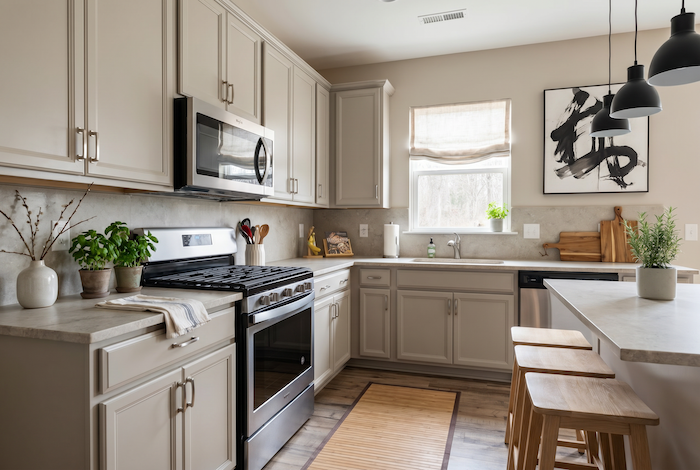
- Light: Lighting can change the mood and perceived size of a space. Natural and artificial lighting are crucial in the layering approach.
- Color: It affects how we feel and behave in a space and can connect spaces or create specificity.
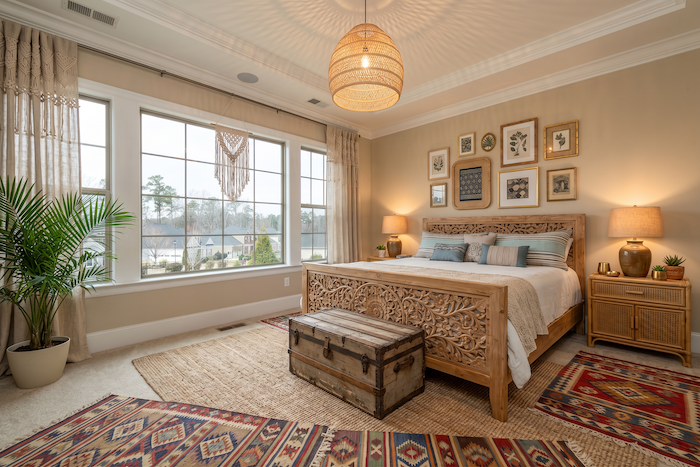
- Texture: This adds depth and interest. It relates to the surface quality of an object; it can be rough, smooth, or somewhere in between.
- Pattern: Patterns can lift a space, adding interest and depth, and work alongside color.
Principles of Interior Design
The principles of interior design govern how these elements come together:
- Balance: This can be symmetrical, asymmetrical, or radial, referring to the distribution of visual weight.
- Proportion and Scale: The ratio between the size of one object to another within a space, as well as the relationship between elements.
- Rhythm: This is about repetition and movement. Similar elements can create rhythm through continuity and progression.
- Emphasis: Creating a focal point that draws the viewer’s attention and gives the most significant design feature prominence.
- Harmony: When all design elements come together to form a genuinely unified and cohesive space.
Steps to Start Designing Your Own Space
- Define Your Style: Identify your aesthetic to ensure a cohesive look. Search for inspiration in magazines, online galleries, or design shows to find what appeals to you.
- Consider Functionality: Ensure the space suits your lifestyle by focusing on how you plan to use each room.
- Create a Layout: Sketch or use tools to design your floor plan, taking into account important elements like flow and balance.
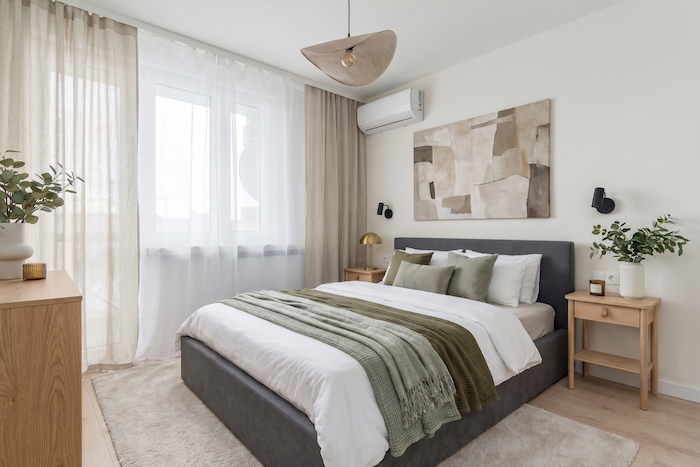
- Select Your Palette: Choose a color scheme that reflects the mood you wish to create in your space.
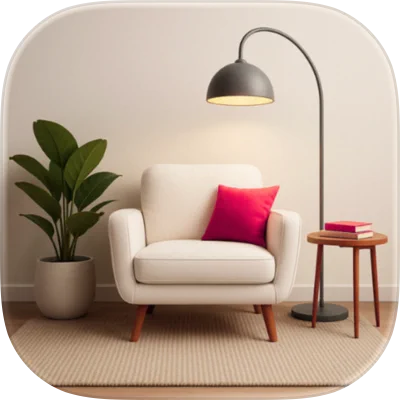
- Layer Your Lighting: Incorporate various lighting types such as ambient, task, and accent lighting to add depth.
- Pick Your Furniture: Choose pieces that fit the space and align with the style and colors you've selected.
- Add Textures and Patterns: Introduce different materials and patterns through rugs, cushions, or throws to add interest and depth.
- Personalize with Accessories: Artworks, plants, and photographs can bring personality to your space, making it uniquely yours.
Conclusion
Interior design is not just about making a space look good; it's also about creating a functional and pleasing environment that reflects your personality and lifestyle. By understanding the basic elements and principles of interior design, even beginners can make significant improvements in their living spaces. Start small, trust your instincts, and enjoy the creative process!