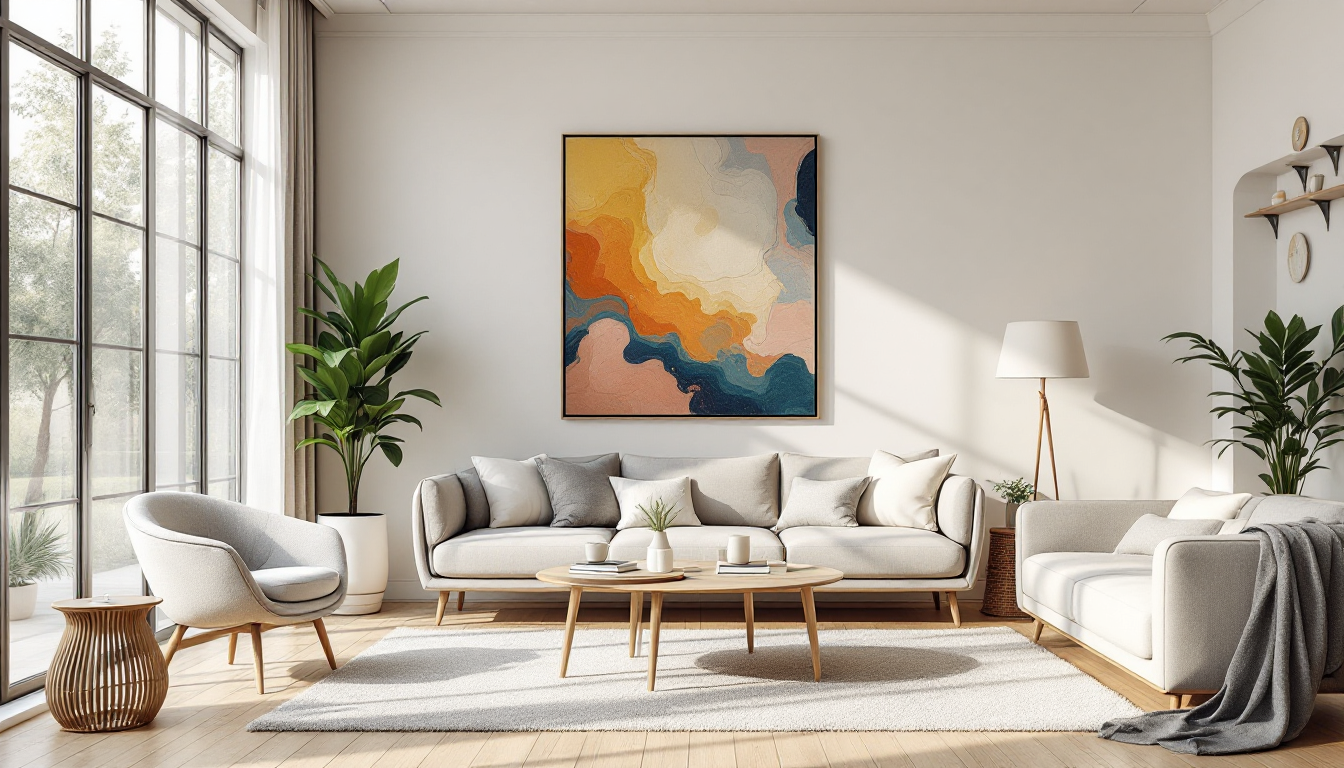
Understanding Your Space's Purpose
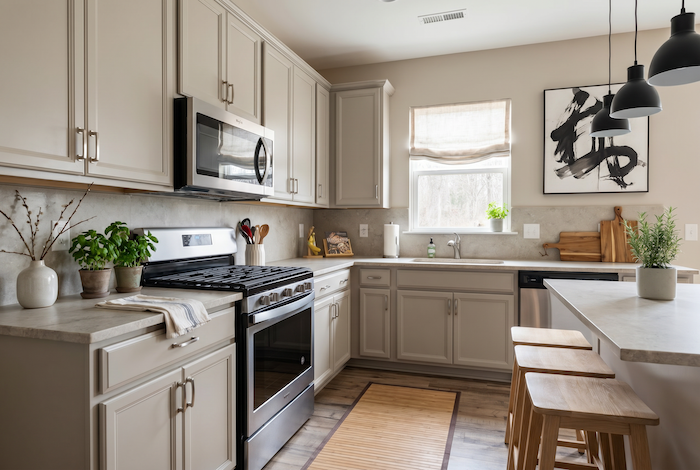
Before diving into room design, it’s crucial to understand the purpose of the space you're working on. Different rooms serve different functions, and how you design the space should reflect its intended use. For instance, a living room designed for family entertainment may require ample seating and a cozy layout, whereas a home office should prioritize functionality and organization.
Ask yourself what activities will occur in the room, how many people will use it, and what mood you want to set. This foundational step can significantly influence your design decisions, from furniture selection to layout choices.
Defining Your Style
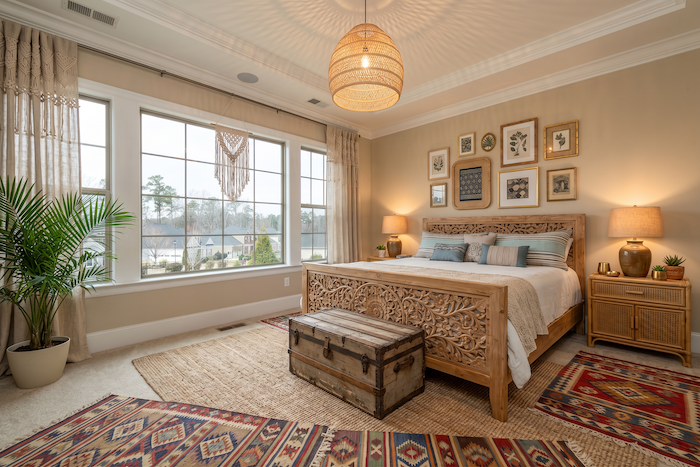
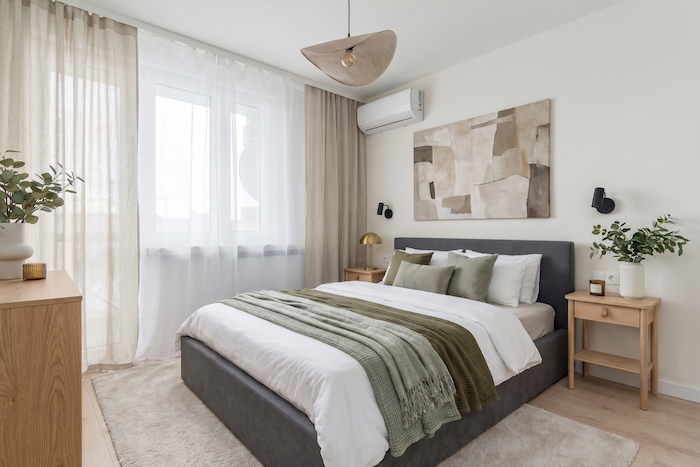
Your room design should be a reflection of your personal style. Whether you lean towards contemporary, traditional, bohemian, or minimalist aesthetics, ensure your choices align with your preferences. Consider creating a mood board using AI design tools or platforms like Pinterest to gather inspiration and define your style direction. This visual representation will serve as a guiding reference throughout your design process.
The Importance of a Cohesive Color Scheme
Color significantly impacts the ambiance of a room. A cohesive color palette ties together the different elements of your room, creating a harmonious look. Start by choosing a primary color, then select complementary or contrasting shades to accentuate various aspects of the room. It's advisable to keep a balance between bold and muted tones to maintain visual interest without overwhelming the space.
For more insights into choosing the right colors, consider reading our article on understanding the basics of interior design.
Furniture and Layout Planning
Furniture placement is a critical aspect of room design. It not only affects the functionality but also the flow of the room. Start by prioritizing the most significant pieces, such as a sofa in the living room or a desk in an office. Ensure there's adequate space for movement and that the layout facilitates the room’s primary activities. Use software or AI room design apps to experiment with different layouts before committing to a physical arrangement.
Lighting: The Game Changer
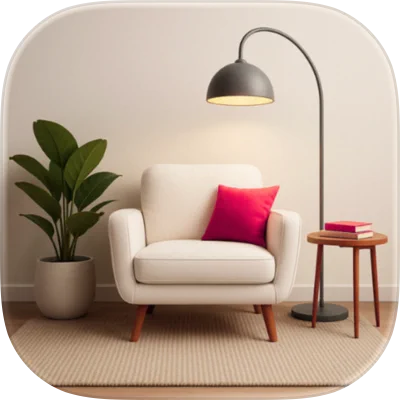
Lighting can dramatically alter the perception of your room. Natural light is ideal, so whenever possible, arrange furniture to maximize it. Complement it with artificial lighting — a mix of ambient, task, and accent lighting enhances the functionality and aesthetics of the room. Consider pendant lights, floor lamps, and dimmers to create adaptable lighting scenarios for different times of the day and activities.
Accessorizing and Personal Touches
Accessories like artwork, rugs, cushions, and plants bring life and personality to your room design. They can also be used to reinforce your color scheme and style. Personal items, such as family photos or travel souvenirs, add a unique touch that makes the space truly yours.
Remember, the key to successful room design lies in the details. Choose accessories that not only fulfill a decorative role but also serve a function, like mirrors that expand space and sculptures that double as bookends.
Conclusion: Start Your Design Journey
Designing a room from scratch can seem daunting, but with a structured approach and the right tools, you can transform any space into a beautiful, functional area. As you embark on this journey, remember that room design is both an art and a science — blending creativity with practicality.
To explore more tools and technology that can assist you in your design projects, check out our list of The Best AI Room Design Apps for Every Homeowner.