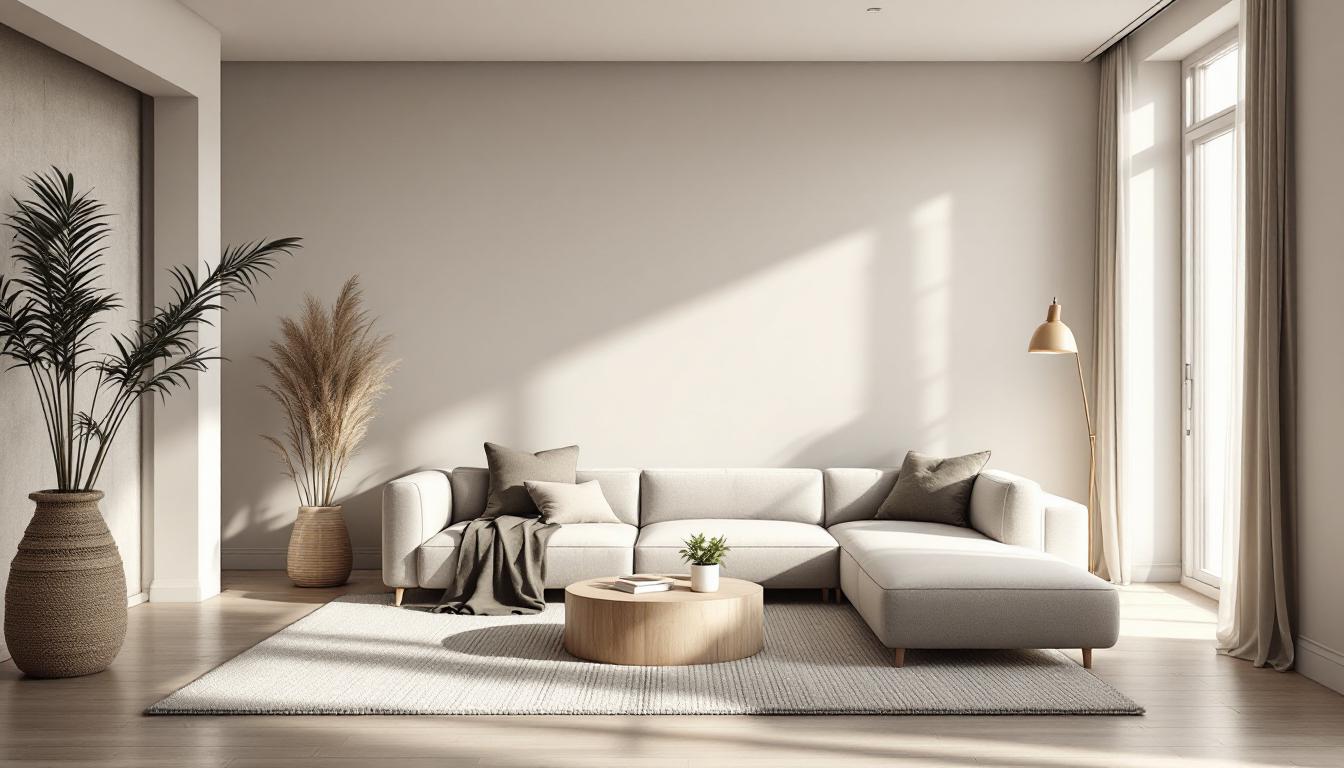
What is Minimalist Room Design?
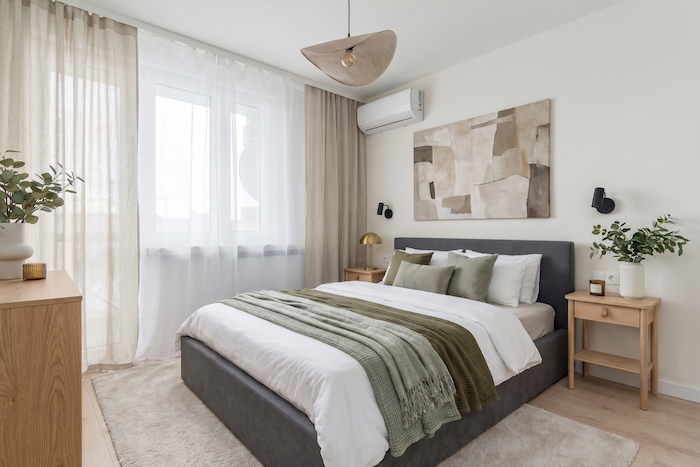
Minimalist room design is a style of decorating that emphasizes simplicity, functionality, and tranquility. It strips away non-essential elements to create a space that is both aesthetically pleasing and practical. This design style often features a limited color palette, clean lines, and open spaces. The goal is to foster an environment that is free of clutter and distraction, allowing the architecture and materials of a room to speak for themselves.
Core Principles of Minimalist Room Design
To successfully create a minimalist space, it is important to understand a few key principles:
- Simplicity: The mantra "less is more" is the cornerstone of minimalist design. Choose furniture and décor that have simple, uncluttered lines.
- Functionality: Every piece should serve a purpose. Opt for multi-functional furniture to save space and add utility.
- Open Spaces: Aim to create an airy, open atmosphere with minimal barriers and unneeded furniture.
- Neutral Palette: Use neutral colors such as whites, blacks, and grays, which evoke a sense of serenity and balance.
- Quality over Quantity: Invest in a few high-quality pieces rather than filling your space with lots of lower-quality items.
Steps to Implement Minimalist Room Design
Step 1: Declutter Your Space
Decluttering is the first step towards creating a minimalist room. Remove unnecessary items and keep only those that serve a purpose. This process can be therapeutic and help you focus on what is truly meaningful to you.
Step 2: Choose a Neutral Color Scheme
Select a color palette dominated by neutral colors. A monochromatic scheme can often enhance the peacefulness of a space. Keeping the base neutral also allows you to play with textures and materials without overwhelming the space.
Step 3: Invest in Functional Furniture
Select furniture that is multi-functional and has clean lines. For instance, a sofa with storage can be a great addition. For more inspiration, browse through AI furniture placement tools to explore contemporary solutions that maximize efficiency and style.
Step 4: Emphasize Natural Light
Maximize the use of natural light to create a sense of openness. Keep window treatments simple to allow as much light in as possible. Mirrors can also help reflect light and create the illusion of more space.
Step 5: Incorporate Texture
While the minimalist palette tends to be neutral, adding varied textures can introduce visual interest without cluttering the space. Consider elements like a wool rug, linen pillows, or a wooden coffee table.
Using AI Tools for Minimalist Design
Today, technology offers numerous tools to aid in designing a minimalist space. AI room design apps offer tailored solutions to meet your specific needs. If you are unsure where to start, check out this beginner's guide to familiarize yourself with these powerful tools.
Additionally, platforms like AI Room Decor can help visualize a minimalist design and find the perfect furniture layout that complements your simplified style.
Conclusion
Minimalist room design is about creating a space that is both functional and aesthetically pleasing, with an emphasis on simplicity and purpose. By incorporating the fundamental elements discussed in this guide, you can transform your home into an oasis of calm and functionality. For further reading on effective design strategies, explore this step-by-step guide to room transformation.
- Author: Jane Doe